

Views: 169 Author: Site Editor Publish Time: 2025-10-08 Origin: Site


Industrial operations that rely on pressure vessels demand meticulous attention to safety, compliance, and operational performance. Engineers, procurement specialists, and safety managers must evaluate multiple factors before selecting an ASME tank to ensure that risks are minimized, operational efficiency is maximized, and regulatory standards are fully met. Mingte Group, with over 20 years of experience in manufacturing high-quality industrial equipment, offers ASME tanks designed for durability, compliance, and reliable performance. By understanding regulatory requirements, inspecting manufacturing quality, witnessing factory tests, and implementing proper maintenance practices, organizations can ensure their pressure vessels deliver long-term service with minimal risk.
Pressure vessels are subject to strict safety regulations in most industrial sectors. The American Society of Mechanical Engineers (ASME) has developed comprehensive codes that set standards for the design, fabrication, inspection, and testing of pressure vessels. Compliance with these codes is not merely a recommendation; it is often legally mandated, particularly in industries dealing with high-pressure systems, hazardous chemicals, or flammable materials. Selecting a tank that meets ASME standards mitigates operational risk, ensures legal compliance, and enhances confidence in the vessel's ability to perform under demanding conditions.
Engineers should be fully aware of the conditions that require ASME certification. Tanks that operate above specific pressure thresholds, which vary by jurisdiction, fall under mandatory certification requirements. Additionally, vessels containing hazardous chemicals, flammable liquids, or toxic materials require ASME compliance to adhere to local and international safety regulations. Certification confirms that the tank has been designed, fabricated, and tested according to rigorous standards, ensuring both operational safety and regulatory compliance. For petrochemical, pharmaceutical, food, or chemical processing projects, acquiring an ASME-certified tank from a reputable manufacturer like Mingte Group is essential to safeguard personnel, facilities, and investments.
Different ASME code sections apply depending on the tank’s intended purpose. For example, ASME Section VIII, Division 1 governs unfired pressure vessels, specifying requirements for material selection, allowable stress limits, welding procedures, and inspection methodologies. ASME Section IX focuses on welding qualifications, while other sections cover testing, design margins, and safety device requirements. Understanding which sections apply allows engineers to evaluate tank specifications effectively and verify that the design meets both operational and safety standards. Mingte Group ensures that all ASME tanks adhere strictly to the relevant code sections, providing full compliance and reliable performance.
Industries such as petrochemical refining, pharmaceuticals, food processing, and energy generation frequently use pressure vessels. In these scenarios, non-compliance can lead to catastrophic failures, legal penalties, and costly operational downtime. For example, a tank storing volatile liquids in a chemical plant requires design, fabrication, and testing that align with ASME codes to prevent leaks, ruptures, or explosions. Selecting a certified tank mitigates these risks and supports ongoing operational stability.
Manufacturing quality is a key determinant of ASME tank safety and longevity. Engineers and quality assurance teams must review material specifications, welding processes, post-fabrication treatments, and inspection results before approving a purchase.
Material certificates provide verification that the steel, alloy, or specialty metal used in tank construction meets chemical composition and mechanical property requirements. Material selection should consider operational pressures, temperatures, and the chemical compatibility of stored substances. Welders must be qualified according to ASME Section IX standards, ensuring they possess the expertise to produce consistent, defect-free joints. Non-destructive examinations (NDE), including radiography (RT), ultrasonic testing (UT), magnetic particle inspection (MPI), and dye penetrant testing (PT), detect internal or surface flaws that could compromise tank integrity. Reviewing these documents allows engineers to confirm the structural reliability of the tank under both normal and extreme operating conditions.
Post-weld heat treatment (PWHT) relieves residual stress in welded joints and improves long-term durability, particularly for high-pressure or high-temperature applications. Shop inspections evaluate dimensional accuracy, weld quality, surface finish, and alignment with design specifications. Visual inspection, hardness testing, and mechanical property verification confirm that the tank meets operational requirements. Mingte Group implements multiple quality checkpoints throughout the manufacturing process, ensuring that every ASME tank is robust and ready for safe deployment.
Corrosion resistance is critical to prolonging the life of pressure vessels. Tanks may be coated internally and externally with epoxy, polyurethane, or specialized chemical-resistant linings, depending on application requirements. For tanks handling aggressive chemicals or operating in harsh environments, these coatings prevent corrosion, reduce maintenance costs, and enhance safety. Engineers should ensure that coatings are applied according to ASME and industry standards, and that inspection confirms adhesion, thickness, and uniformity.
Maintaining traceability of materials, welders, and inspections is essential for quality assurance and compliance verification. Complete documentation allows engineers to track every step of the manufacturing process, providing evidence that the tank meets ASME requirements. Mingte Group supplies full documentation packages, including material certificates, welding logs, NDE reports, and PWHT records, giving customers comprehensive oversight of quality.
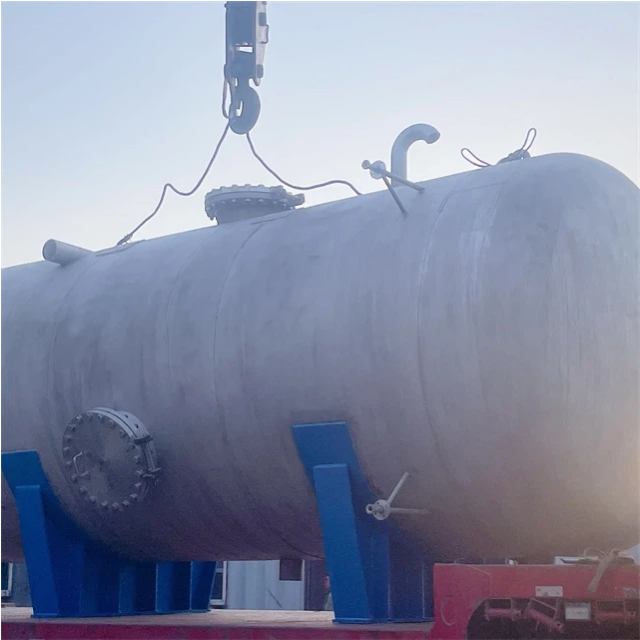
Factory testing validates a tank’s performance before installation. Engineers should ensure that testing protocols are thorough, documented, and, when possible, witnessed in person.
Hydrostatic testing involves filling the tank with water or other incompressible fluids and applying pressures above operational levels to verify structural integrity. Pneumatic testing uses compressed gas and is more sensitive for detecting small leaks, though it requires stricter safety protocols. Leak tests confirm that welds, fittings, and connections are secure. These tests ensure that the tank is ready for operational deployment and meets safety requirements.
Comprehensive test reports should include applied pressures, test duration, observed results, and any corrective actions taken. Reports should reference material certificates, welding qualifications, and NDE results. Complete documentation supports regulatory inspections and internal quality assurance processes. At Mingte Group, we provide detailed test reports with every ASME tank, giving engineers confidence in performance, reliability, and compliance.
For critical applications, engineers or client representatives may witness key tests directly. Being present during hydrostatic or pneumatic testing allows verification of testing procedures and immediate discussion of any observed issues. Witnessing tests also ensures transparency and strengthens confidence in both manufacturing quality and operational safety.
Even the highest-quality ASME tank requires proper maintenance to ensure safe, reliable operation. Regular field inspections, corrosion monitoring, and adherence to repair protocols extend service life and reduce operational risk.
Routine inspections should cover visual checks for deformation, rust, leaks, or damage to pressure relief devices. Corrosion monitoring may involve ultrasonic wall thickness measurements, inspection of coatings, or installation of corrosion coupons. Protective coatings, cleaning routines, and environmental controls reduce corrosion risk and prevent operational failures.
When defects are discovered, rework and repairs must follow approved procedures. This includes welding repairs, component replacement, and surface refinishing performed by qualified personnel. Documentation of repairs ensures ongoing compliance with ASME standards and maintains safety.
Significant modifications, such as pressure rating adjustments, material upgrades, or structural alterations, may require certified alterations and re-certification. Periodic re-certification is recommended for long-serving tanks or those subjected to repairs, ensuring continued compliance and operational safety. Certified engineers must perform these alterations according to ASME standards.
A robust safety culture complements technical inspections. Engineers and operators should receive regular training on tank operation, hazard identification, emergency procedures, and maintenance protocols. Combining skilled personnel with high-quality ASME tanks reduces operational risk and enhances performance reliability.
In industrial plants handling corrosive chemicals or high-pressure fluids, even minor lapses in inspection can lead to leaks, costly downtime, or safety incidents. Regular preventive maintenance, combined with certified tanks from Mingte Group, ensures operational continuity, reduces maintenance costs, and supports regulatory compliance. Well-maintained tanks not only extend equipment life but also protect workers, property, and production schedules.
Selecting an ASME tank from Mingte Group provides unparalleled assurance of safety, reliability, and compliance. Our ASME tanks are designed with certified materials, fabricated under strict quality controls, and tested to meet the most demanding operational standards. Proper inspection, routine maintenance, and adherence to ASME codes guarantee long service life and reduced operational risk. For engineers and safety managers looking to secure high-quality pressure vessels, we invite you to contact us today to review product specifications, access detailed test reports, or schedule a factory visit, and experience first-hand the performance and reliability of our ASME solutions.