

Views: 226 Author: Site Editor Publish Time: 2025-11-11 Origin: Site


When planning for industrial storage or process systems, selecting the right tank is a critical decision that affects safety, compliance, and long-term operational costs. One of the primary distinctions in tank selection lies between an ASME tank and a non-ASME tank. Understanding the differences between these tank types can help engineers, procurement managers, and facility operators make informed choices that align with their process requirements, regulatory obligations, and budget considerations. At Mingte Group, we offer high-quality ASME tanks equipped with durable tank ends, ensuring reliability and safety across a wide range of industrial applications. Our team provides expert guidance to match the right tank type to your operation, whether for high-pressure chemical processes or standard liquid storage.
An ASME tank refers to a pressure vessel designed and constructed according to the American Society of Mechanical Engineers (ASME) Boiler and Pressure Vessel Code. This standard ensures that tanks are capable of withstanding specific pressures and temperatures safely, offering a documented guarantee of structural integrity. ASME tanks are typically required for pressurized processes, chemical storage, and applications where human safety or environmental risk is high. Additionally, ASME certification often facilitates easier permitting, insurance approval, and compliance audits, which can save significant time and resources for facility operators.
Non-ASME tanks, on the other hand, are generally designed without the formal certification of the ASME code. They may still be robust and suitable for certain storage or low-pressure processes, but they do not carry the same regulatory endorsement or testing rigor. Non-ASME tanks are often used for water storage, non-hazardous liquids, or situations where pressurization is minimal or temporary. Their construction allows for flexibility in shape and size, which can be advantageous when space constraints or custom installation requirements are present.
ASME tanks are widely used in industries where pressure containment and stringent safety standards are paramount. Petrochemical plants, pharmaceutical manufacturing, food processing, and chemical laboratories often rely on ASME tanks to meet compliance and safety regulations. These tanks are suitable for processes involving high-pressure steam, corrosive chemicals, or critical heating and cooling operations. In addition, industries with automated production lines benefit from ASME tanks because their consistent specifications simplify integration with pumps, valves, and other process equipment.
Non-ASME tanks find their place in less demanding applications. Common scenarios include water storage for facilities, rainwater harvesting, or temporary fuel storage in low-risk environments. While these tanks may offer cost savings and faster delivery, their use is often limited to scenarios where formal compliance with ASME codes is not legally required. Their versatility and lower manufacturing costs make them popular for agricultural storage, construction site water tanks, and temporary fuel or oil storage setups.
The regulatory landscape for tanks is a defining factor in determining whether an ASME tank or a non-ASME tank is appropriate. ASME tanks are subject to strict construction standards, material specifications, and pressure testing, ensuring compliance with both domestic and international safety codes. Certification from ASME provides documented proof that the tank meets recognized engineering standards, which is often a prerequisite for insurance and industrial permits. This level of assurance can be crucial in high-risk sectors, where regulatory scrutiny is rigorous and fines or operational shutdowns are costly.
Non-ASME tanks may meet industry-specific guidelines, such as DOT regulations for transportation or local building codes, but they lack the comprehensive certification of the ASME code. This distinction can affect legal liability, insurance eligibility, and operational flexibility. For facilities operating across multiple regions or exporting products internationally, choosing ASME-certified tanks can streamline compliance and avoid delays caused by differing regulatory requirements.
One significant practical difference between ASME and non-ASME tanks lies in recertification. ASME tanks require periodic inspections and may need recertification depending on usage and regulatory obligations. This ensures that the tank continues to meet safety standards throughout its lifecycle. Inspection records, material certificates, and design documentation are all part of maintaining compliance. Recertification also provides an opportunity to assess wear and tear, corrosion, or any structural changes, helping prevent accidents before they occur.
Non-ASME tanks may have simpler inspection requirements, often focusing on visible structural integrity or leak testing. While this can reduce administrative overhead, it also means less formal assurance of long-term durability under pressurized or hazardous conditions. For facilities handling high-risk materials, the lack of rigorous recertification can introduce operational and safety risks. Therefore, organizations need to carefully weigh the short-term convenience of non-ASME tanks against potential long-term liabilities.
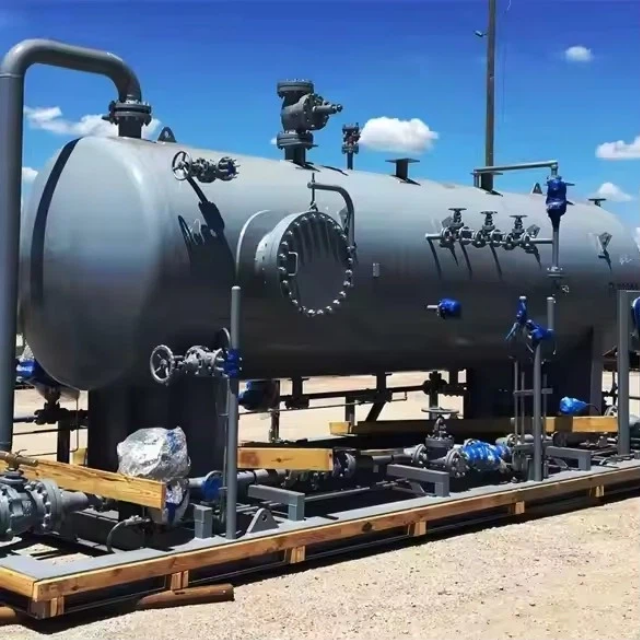
ASME tanks are typically constructed from high-grade steels and alloys designed to resist corrosion, maintain structural integrity under pressure, and endure thermal stress. Welding, forming, and finishing processes follow strict ASME guidelines, and every weld is often inspected using non-destructive testing methods. These construction practices significantly reduce the likelihood of leaks, ruptures, or catastrophic failures. In addition, ASME tanks often incorporate design features such as reinforced tank ends, manways, and internal baffles that enhance operational safety and process efficiency.
Non-ASME tanks may be built with similar materials but generally do not undergo the same level of scrutiny during fabrication. This can result in variable performance, especially under fluctuating pressure, extreme temperatures, or exposure to aggressive chemicals. While these tanks may perform adequately for low-risk applications, they may not withstand long-term operational stress as reliably as an ASME-certified vessel. Maintenance frequency and operational monitoring are typically higher for non-ASME tanks to mitigate these risks.
By choosing an ASME tank, operators can reduce several types of risks:
Structural Failure: Certified design and rigorous testing minimize the chance of tank collapse or rupture.
Leakage of Hazardous Materials: High-quality construction and pressure testing protect against accidental spills.
Regulatory Non-Compliance: Using ASME-certified equipment ensures alignment with safety codes, reducing legal and insurance liabilities.
Operational Downtime: Reliable performance reduces the likelihood of unexpected shutdowns, maintenance interruptions, or emergency repairs.
Environmental Safety: Tanks that meet ASME standards minimize the risk of contamination, which is critical in food, pharmaceutical, and chemical sectors.
While non-ASME tanks may offer initial cost savings, these long-term safety and performance tradeoffs are essential to consider, particularly in high-risk industries. Evaluating operational risks alongside initial investment can prevent costly accidents and regulatory penalties.
Selecting the appropriate tank involves a structured decision-making process. The following six questions can guide your choice:
What type of materials will the tank store?
Hazardous, corrosive, or pressurized materials favor ASME tanks. Non-hazardous liquids may allow non-ASME options.
Is pressurization required?
Operations involving steam, chemical reactions, or pressurized processes almost always require ASME-certified tanks.
What are the regulatory obligations?
Check local and industry-specific standards. ASME tanks satisfy most legal requirements, whereas non-ASME tanks may only meet limited criteria.
What is the lifecycle expectation?
Long-term projects benefit from ASME tanks due to recertification and durability. Short-term or low-risk projects may tolerate non-ASME tanks.
How critical is operational safety?
High-consequence industries, such as chemical manufacturing or pharmaceuticals, demand the additional safety provided by ASME certification.
What are the budget and delivery constraints?
Non-ASME tanks may be more cost-effective upfront and faster to deliver, but ASME tanks often provide better value over the lifecycle through reduced risk and maintenance needs.
Water Storage for Facilities: Non-ASME tanks can suffice for non-pressurized water storage systems, offering budget flexibility.
Chemical Processing: ASME tanks are recommended due to pressure, temperature, and chemical compatibility requirements.
Transportable Fuels: High-risk fuels and pressurized transport necessitate ASME-certified vessels to meet safety and regulatory standards.
Food and Pharmaceutical Applications: ASME tanks ensure hygienic standards and prevent contamination, critical for sensitive processes.
Choosing between an ASME tank and a non-ASME tank requires careful consideration of compliance, safety, material handling, and operational lifecycle. For high-risk applications, pressurized processes, or scenarios requiring regulatory certification, ASME tanks offer unmatched reliability and documented compliance. Non-ASME tanks remain suitable for lower-risk, non-pressurized, or budget-conscious applications. At Mingte Group, we provide a wide range of ASME tanks and associated tank ends that combine safety, durability, and performance for diverse industrial needs. Share your project parameters with us so our team can recommend the most suitable solution and provide a tailored quote. Contact us today to explore our offerings and ensure your facility meets the highest standards of safety and efficiency.