

Views: 0 Author: Site Editor Publish Time: 2025-10-20 Origin: Site


Selecting the right ASME tank is a critical step for any industrial project, whether in petrochemical, food, medical, or new energy applications. At Mingte Group, we understand that engineers and procurement teams face complex decisions when specifying a tank, including pressure ratings, volume requirements, material choices, and installation constraints. By breaking down the key factors that influence tank selection, this guide will help you align project needs with the proper ASME-certified solution. Proper selection not only ensures operational efficiency but also enhances safety and long-term reliability of your industrial systems.
Understanding the meaning and implications of ASME certification is essential before specifying a tank. ASME, or the American Society of Mechanical Engineers, sets rigorous standards that ensure tanks meet safety, design, and operational performance requirements for industrial applications. ASME-certified tanks are designed to handle high pressures, meet inspection criteria, and provide documented assurance of reliability. Choosing a certified tank reduces operational risk, simplifies regulatory compliance, and provides peace of mind that the tank will perform under demanding conditions.
The ASME Boiler and Pressure Vessel Code (BPVC) Section VIII is the primary guideline covering pressure vessels. This section specifies design rules, material selection, fabrication methods, testing protocols, and inspection requirements. Whether your project involves liquid storage under high pressure or gas containment, Section VIII ensures that the tank is built to handle operational stress while maintaining structural integrity. Mingte Group’s ASME tanks are fully compliant with Section VIII, giving clients confidence in both safety and code adherence. Beyond design, Section VIII also emphasizes ongoing maintenance and inspection standards, helping ensure long-term operational reliability.
An ASME U-stamp on a tank signifies that it has been fabricated according to the ASME Code and has passed the required inspections and tests. This stamp is not just a mark—it reflects compliance with welding quality, material traceability, and non-destructive examinations (NDE). For procurement teams, choosing a tank with a U-stamp reduces liability and ensures regulatory acceptance across industries and geographies. The U-stamp also serves as a reference during audits or safety reviews, allowing operators to confirm that the tank meets all necessary engineering and safety criteria.
Once ASME certification is understood, the next step is to define specifications that match your process needs. Pressure, capacity, and operating temperature are fundamental parameters that dictate the suitability of any tank. A thorough understanding of these specifications helps avoid oversizing, undersizing, or selecting materials that may not withstand operating conditions.
Pressure ratings are central to tank selection. ASME tanks come with designated pressure classes and built-in safety factors that account for operational fluctuations. The design pressure considers the maximum expected internal pressure, while the safety factor ensures that the tank can withstand unexpected surges without failure. For projects involving volatile chemicals or high-pressure gases, Mingte Group provides tanks designed for specific pressure classes to guarantee reliable performance under demanding conditions. Additionally, proper pressure specification ensures compatibility with other system components such as valves, pumps, and piping networks, preventing potential system bottlenecks or safety hazards.
Tank volume is another critical consideration. ASME tanks are available in a variety of sizes, from small process vessels to large storage tanks. The selection of size depends on flow rates, production capacity, and storage requirements. Smaller tanks are ideal for pilot operations or laboratory-scale processes, whereas larger tanks support full-scale industrial operations. Mingte Group offers a broad range of tank sizes, making it possible to match capacity exactly to the project’s process flow requirements, optimizing efficiency and reducing unnecessary costs. In addition, having the right tank size ensures energy efficiency and minimizes space utilization, which can be especially important in compact facilities or retrofitted plants.
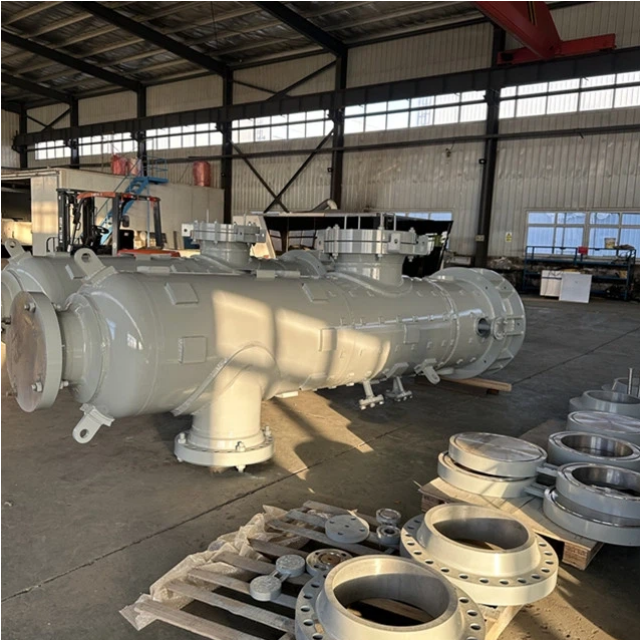
The materials and end designs of a tank affect durability, compatibility with stored substances, and structural strength. Selecting the appropriate steel grade or alloy is critical for minimizing corrosion, extending service life, and ensuring compliance with industry standards. Material choice can also influence cleaning procedures, chemical resistance, and thermal performance.
Tank ends are often overlooked but play a crucial role in structural integrity. Dished ends, for example, distribute stress evenly, allowing the tank to withstand higher pressures, while flanged ends facilitate easier connections for piping and fittings. Custom ends can be fabricated for specialized applications where unique shapes or reinforcement are necessary. Mingte Group’s ASME tanks provide flexibility in end design to meet both operational and installation requirements. The correct end design not only enhances safety but can also reduce maintenance requirements by lowering stress concentrations and improving access for inspections.
Corrosion resistance is particularly important for tanks storing aggressive chemicals or in environments with fluctuating humidity and temperature. Stainless steel tanks offer superior corrosion resistance, while carbon steel tanks can be coated internally or externally to extend lifespan. Additional protective coatings, such as epoxy or polyurethane, further enhance durability. Selecting the right material and coating ensures long-term reliability and reduces maintenance costs. Beyond chemical resistance, proper coating selection also protects against thermal expansion, condensation, and environmental factors, extending the tank's service life and performance consistency.
Installation conditions often dictate tank design, particularly when considering stationary versus transportable applications. Site constraints include available floor space, foundation type, and accessibility for maintenance. Planning for installation early in the project avoids costly modifications or delays.
Stationary ASME tanks are designed to be installed on fixed foundations and often incorporate heavier construction, higher capacity, and specialized end designs. In contrast, DOT-certified transport tanks are built to comply with Department of Transportation regulations, including mobility, recertification requirements, and accident resistance. Understanding these distinctions helps ensure that the selected tank meets both operational and legal requirements. Mingte Group offers tanks suited for both stationary and mobile applications, enabling customers to choose solutions that align with project logistics. Additionally, professional site evaluation can identify optimal placement, reduce vibration impact, and simplify access for cleaning or maintenance operations.
A structured procurement process ensures the tank arrives on time, meets specifications, and complies with safety standards. Comprehensive documentation is critical for verification and traceability.
When ordering an ASME tank, documentation should include weld records, non-destructive examination reports, material certificates, and the U-stamp certificate. These records not only validate the tank’s compliance with ASME standards but also provide essential information for inspection and maintenance schedules. Mingte Group ensures all delivered tanks are accompanied by complete documentation, offering transparency and reliability for procurement teams. Having thorough documentation is also beneficial for insurance purposes and future expansion or modification projects.
To minimize procurement risks, consider clarifying lead times, fabrication methods, pressure testing procedures, and coating specifications with your vendor. Asking these questions upfront helps avoid delays, ensures compatibility with project requirements, and prevents operational issues. Mingte Group works closely with clients to answer technical questions and provide tailored solutions, supporting smooth integration into production lines. Effective communication with your vendor can also help anticipate changes in regulatory requirements or material availability, ensuring uninterrupted project schedules.
Choosing the right ASME tank is a balance of understanding certification standards, matching specifications to your process, selecting appropriate materials and tank ends, and considering installation constraints. Mingte Group’s comprehensive range of ASME-certified tanks with various tank ends and coatings ensures safe, durable, and efficient solutions for a wide range of industrial applications. With full documentation, robust design, and extensive experience across multiple industries, our team can support your project from specification to installation. Contact us today to request a custom quote or speak with an applications engineer to identify the ideal tank for your specific requirements and ensure seamless project execution.