
Views: 0 Author: Site Editor Publish Time: 2025-11-12 Origin: Site


Propane tanks are essential for heating, cooking, and fueling appliances in homes, businesses, and recreational vehicles. But do they actually "expire"? ASME propane tanks are designed for stationary use, and while they don't technically expire like DOT tanks, regular maintenance is still necessary. In this article, we will explore the lifespan of ASME tanks, their safety requirements, and the importance of periodic inspections to keep them in good condition.
ASME tanks don’t expire but require periodic inspections for safety.
No recertification required for ASME tanks, unlike DOT tanks that need recertification every 5-12 years.
Visual inspections are essential to detect rust, cracks, and other damage.
ASME tanks are more durable than DOT tanks due to thicker steel and fixed installations.
External factors such as weather and road salt can affect the health of ASME tanks, making regular maintenance necessary.
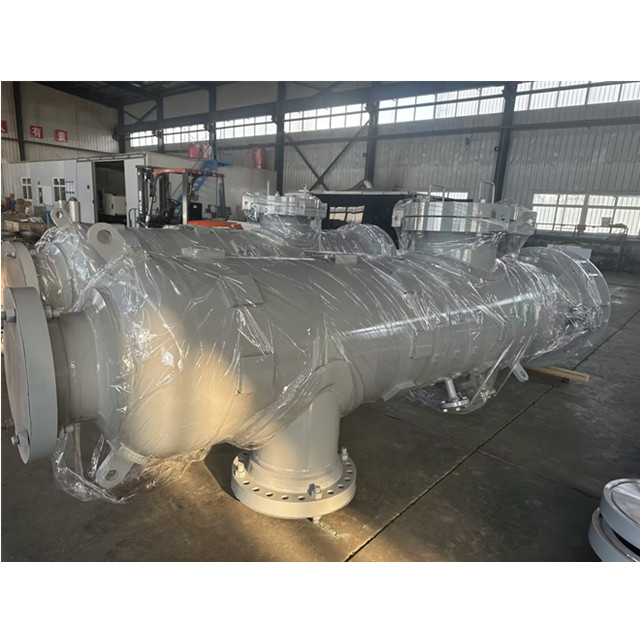
ASME propane tanks are built to the standards set by the American Society of Mechanical Engineers. These tanks are typically used for stationary applications such as residential heating or industrial purposes. They differ from DOT tanks, which are designed to be portable.
Unlike DOT tanks, ASME tanks are not required to undergo recertification at specific intervals. However, they must still be periodically inspected to ensure they are in good condition. The key difference between the two types lies in their intended use—ASME tanks are meant for permanent installations, and DOT tanks are designed to be moved, which affects their certification requirements.
ASME tanks are used primarily in fixed installations, such as homes, businesses, and RVs. These tanks are built to last longer and require fewer inspections because they are not exposed to the same wear and tear as portable tanks. ASME tanks typically come in larger sizes than DOT tanks, making them ideal for continuous, long-term use at one location.
Because they are installed in stationary positions, ASME tanks do not experience the same levels of physical stress as portable tanks. This design feature allows for longer-lasting tanks that require less frequent inspection than their DOT counterparts.
ASME tanks are constructed using thicker steel than DOT tanks, which contributes to their durability. This stronger material ensures that the tank can safely withstand years of use without deteriorating under typical conditions.
While DOT tanks are designed to be portable, ASME tanks are built for stationary use, which means they are subject to fewer physical stresses like impacts or excessive movement. However, this doesn't mean they are immune to wear and tear. Exposure to environmental elements, such as road salt, extreme weather conditions, or rust, can still affect an ASME tank’s longevity.
| Task | Frequency | Details |
|---|---|---|
| Visual Inspection | Every 6 months | Check for rust, cracks, dents, and valve issues |
| Clean Tank | Annually | Remove debris and check for external corrosion |
| Inspect Valves & Fittings | Every 6 months | Ensure that all valves are functioning properly and free from leaks |
| Check for Environmental Damage | After extreme weather or exposure | Inspect for rust or damage caused by weather, road salt, or humidity |
Unlike DOT tanks, which must be recertified every 5 to 12 years, ASME propane tanks do not require any specific recertification period. The lack of a set recertification requirement is due to their design for stationary use. The materials used in ASME tanks are far more durable, and because they aren't subject to constant movement, the likelihood of structural damage over time is minimized.
Although ASME tanks don’t require recertification, periodic visual inspections are essential for safety. Visual inspections help identify any signs of wear, rust, dents, or cracks in the tank's structure. Regular checks can also reveal potential issues with the tank's valves or external components.
It is advisable to schedule professional inspections to ensure the tank remains safe for use. These inspections usually involve checking the condition of the tank's surface, inspecting the valves, and ensuring that there is no corrosion. If visible damage is detected, immediate action should be taken to either repair or replace the tank.
External factors like exposure to weather, humidity, and chemicals can impact the health of your ASME propane tank. For instance, tanks exposed to road salt, especially those installed on RVs, can experience accelerated corrosion. In areas with high humidity, rust can form on the tank’s exterior, compromising its integrity.
To mitigate the effects of external factors, it is recommended to install protective coverings or keep the tank in a sheltered area. Additionally, cleaning the tank regularly to remove dirt and debris can help maintain its lifespan.
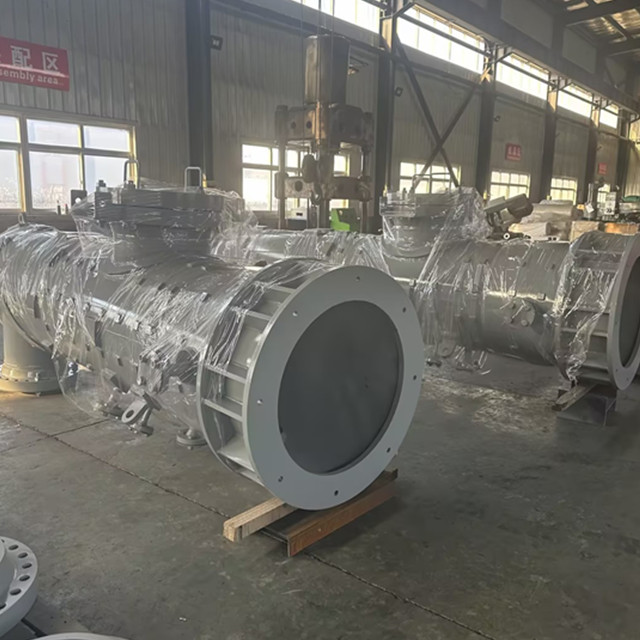
One of the primary differences between ASME and DOT tanks is the recertification process. DOT tanks are required by law to undergo recertification every 5 to 12 years, depending on the tank size and usage. This recertification involves visual inspections and pressure testing to ensure the tank can safely contain propane under pressure.
ASME tanks, on the other hand, do not have a specific recertification interval. Instead, they are inspected periodically for signs of wear and tear. While they don’t need to be requalified, a visual inspection by a certified professional is still important to ensure that the tank is functioning properly.
Another significant difference is the intended use. DOT tanks are designed to be portable and are typically used for appliances that require mobility, such as grills, RVs, and camping stoves. ASME tanks, however, are built for stationary use in residential or commercial applications, where the tank is not moved.
The mobility factor affects wear and tear. DOT tanks are subjected to constant movement, which increases the risk of physical damage. ASME tanks, being stationary, experience less stress and can last longer without needing recertification.
| Feature | ASME Propane Tank | DOT Propane Tank |
|---|---|---|
| Recertification | No recertification period required | Requires recertification every 5-12 years |
| Intended Use | Stationary installations | Portable, for transport and mobile use |
| Construction Material | Thicker steel, heavier | Thinner steel, lighter |
| Inspection | Periodic visual inspections | Visual inspections and pressure testing |
| Durability | Built for longer-term use | Subject to more wear and tear due to movement |
Like all equipment, ASME tanks can suffer from wear and tear over time. Common signs that your ASME tank may need attention include:
Rust or Corrosion: Rust can weaken the tank’s structure, compromising its safety.
Dents or Cracks: Physical damage can cause leaks or structural failure.
Valve Issues: A malfunctioning valve can result in dangerous gas leaks.
If you notice any of these issues, it is critical to schedule a professional inspection or replace the tank if the damage is severe.
To conduct a basic visual inspection of your ASME tank, check for the following:
| Inspection Task | What to Check |
|---|---|
| Surface Condition | Look for rust, corrosion, or damage on the tank’s exterior. |
| Valves & Fittings | Ensure that all valves are functioning properly and free from leaks. |
| Protective Features | Check that the foot ring, collar, and other protective components are intact. |
Regular self-inspections, combined with professional evaluations, will help keep your ASME tank in optimal condition.
ASME propane tanks are subject to safety standards designed to ensure the tank is safe to use. These standards focus on the material, design, and installation of the tank. While ASME tanks don’t require recertification, compliance with safety standards is vital. Periodic inspections help ensure that the tank adheres to these standards, reducing the risk of failure.
Although ASME tanks do not have a national recertification requirement, certain states may have their own regulations regarding propane tank inspections. It is important to check with local authorities or propane suppliers to ensure that your tank meets state-specific regulations.
ASME propane tanks do not have a set expiration date or recertification period. However, regular visual inspections are necessary to ensure they remain safe for use. While ASME tanks are more durable than DOT tanks and less prone to damage, external factors like weather and physical wear can still affect their condition.
To keep your ASME propane tank in optimal condition, it's important to conduct periodic inspections and schedule professional evaluations when needed. This helps ensure the tank’s continued safe use. At Mingt, we offer high-quality ASME-certified products, such as the high-pressure gas-liquid separator, designed for durability and reliability in demanding applications. Our products provide long-lasting value, ensuring safety and efficiency in every use.
A: ASME tanks do not have a set expiration date. However, they require regular visual inspections to ensure safety and proper functioning.
A: ASME tanks should undergo visual inspections every 6 months to check for damage, rust, or cracks. Professional evaluations should be scheduled as needed.
A: ASME tanks are designed for stationary use and are built to last longer than DOT tanks, which is why they don’t require the same recertification process.
A: External factors like weather, road salt, and physical wear can damage ASME tanks. Regular maintenance and inspections help prevent such issues.
A: ASME tanks are more durable and built for stationary installations, offering longer-lasting performance with less frequent inspections compared to DOT tanks.


