


Have you ever wondered what makes certain tanks so reliable under high pressure? The answer often lies in their certification—specifically, the ASME certification. An ASME tank is a vessel designed to meet the stringent standards of the American Society of Mechanical Engineers (ASME) for pressure vessels. These tanks are essential for industries handling pressurized liquids, gases, or chemicals.
In this article, we will discuss what sets ASME tanks apart, their types, materials, and the certification process. You’ll gain insight into their role in ensuring safety and reliability in various industries.
ASME Tanks are Certified for Safety: ASME tanks meet the strict requirements outlined in the ASME Boiler and Pressure Vessel Code (BPVC) and are designed to withstand high-pressure environments safely.
Types of ASME Tanks: ASME tanks come in various types, including pressure, storage, vacuum, reactor, and mixing tanks, each serving specific applications across industries.
Materials Matter: The materials used in ASME tanks, such as stainless steel and alloys, ensure durability, pressure resistance, and corrosion resistance, making them suitable for demanding applications.
Industry Use: ASME tanks are used in critical industries like chemical processing, food and beverage production, pharmaceuticals, oil and gas, and water treatment.
Mingt Products Offer Top-Notch Solutions: Mingt’s ASME-certified tanks are engineered for superior safety, durability, and versatility, offering solutions tailored to meet stringent industry standards.
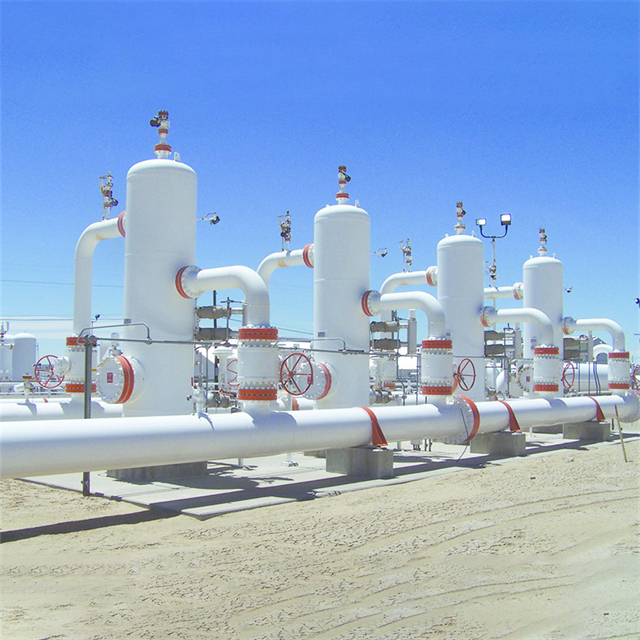
The American Society of Mechanical Engineers (ASME) is an organization that sets engineering standards for the design, construction, inspection, testing, and certification of mechanical systems and equipment. Established in 1880, ASME has been instrumental in developing safety regulations for steam boilers and pressure vessels. ASME standards ensure equipment like tanks, which are under high pressure, operate safely and reliably.
The ASME Boiler and Pressure Vessel Code (BPVC) is a comprehensive set of regulations that governs the design and construction of pressure vessels. BPVC is divided into sections, with Section VIII being the most relevant to tanks. This section outlines the requirements for vessels designed to hold pressure exceeding 15 psi. ASME-certified tanks must adhere to these standards, ensuring they are built with appropriate materials, constructed correctly, and subjected to rigorous testing and inspection before they are deemed safe for use.
ASME tanks are built to handle high-pressure situations safely. The design process includes calculations for wall thickness, joint efficiency, and material strength, ensuring the tank can withstand pressure without failure. Additionally, the materials used in ASME tanks, such as carbon steel or stainless steel, are selected for their strength and resistance to pressure.
Testing procedures play a critical role in ensuring these tanks' reliability. Hydrostatic testing involves filling the tank with water to check for leaks under pressure, while pneumatic testing uses air to ensure the tank can withstand pressure without rupture. These steps provide confidence in the tank's structural integrity, making it a safer option for storing pressurized substances.
An ASME tank receives the prestigious U-stamp once it meets all the necessary design, fabrication, and testing standards set by ASME. This stamp guarantees that the tank complies with ASME BPVC regulations, providing reassurance to users and regulatory bodies alike. Each ASME tank is thoroughly documented, with detailed records of its design, materials, construction, and testing. This traceability ensures accountability and allows for inspections and audits when necessary.
When purchasing an ASME tank, ensure it carries the U-stamp for compliance verification. It signifies adherence to stringent safety standards.
ASME pressure tanks are designed to store liquids or gases under pressure. These tanks are used in systems such as air compressors, hydraulic systems, and gas storage units. Their robust design ensures that they can handle internal pressure safely without risk of failure.
These tanks are specifically designed for the safe storage of pressurized fluids. They are widely used in industries like oil and gas, chemical processing, and food production. The tanks are built to endure the internal pressure of liquids and gases, ensuring safe and reliable storage.
Vacuum tanks are used in processes where external pressure needs to be controlled. These tanks are designed to withstand the pressure of the external environment, preventing the tank from collapsing when vacuum conditions are applied. Common applications include suction systems and vacuum pumps in industries like pharmaceuticals and chemical processing.
In the chemical and pharmaceutical industries, ASME tanks are used as reactors or mixing vessels for controlled reactions and mixing under pressure. These tanks are equipped with additional features like agitators, heating jackets, and cooling systems, making them essential for precise, regulated industrial processes.
| Type of ASME Tank | Applications | Key Features |
|---|---|---|
| ASME Pressure Tanks | Air compressors, hydraulic systems, gas storage | Built to withstand high internal pressure |
| ASME Storage Tanks | Oil & gas, chemical processing, food production | Safe storage of pressurized liquids and gases |
| ASME Vacuum Tanks | Pharmaceutical, chemical processing | Designed to handle external pressures without collapsing |
| ASME Reactor & Mixing Tanks | Chemical & pharmaceutical industries | Equipped with agitation, heating, and cooling systems |
Tip: Choose the right type of ASME tank based on your specific application. For chemical reactions, reactor tanks with agitators are ideal.
The material used in an ASME tank plays a significant role in its performance, strength, and durability. Carbon steel is commonly used for general applications due to its cost-effectiveness and strength. Stainless steel is preferred in environments where corrosion resistance is critical, such as in the food and beverage industry or chemical processing. In extreme conditions, such as high-temperature environments or areas with severe corrosion, duplex stainless steel and specialized alloys are used to ensure the tank can withstand harsh conditions.
The material chosen affects the tank's ability to withstand pressure and resist corrosion. Stainless steel, for example, offers excellent resistance to rust and is often used in food and pharmaceutical industries where hygiene is a top concern. Choosing the right material ensures the tank’s longevity, performance, and compliance with industry standards.
| Material | Properties | Common Uses |
|---|---|---|
| Carbon Steel | Strong, economical, general-purpose material | Common in non-corrosive environments |
| Stainless Steel | Corrosion-resistant, durable | Food production, pharmaceuticals, chemical processing |
| Duplex Stainless Steel | High strength, corrosion-resistant | Extreme conditions, high-temperature environments |
ASME tanks are crucial in industries that handle volatile or hazardous materials, such as chemical and petrochemical sectors. These tanks are designed to safely store and transport chemicals, oils, and gases under pressure, minimizing the risk of leaks, spills, or explosions.
In the food and beverage industry, ASME tanks are used for fermentation, carbonation, and liquid storage. The tanks must meet stringent safety and hygiene standards to ensure the safe production of consumable goods.
ASME tanks in the pharmaceutical industry are used for sterile mixing, reaction, and storage. These tanks must adhere to strict regulatory requirements to maintain product integrity and ensure the safety of consumers.
The oil and gas industry relies on ASME tanks for storing and separating gases, as well as for fluid storage in high-pressure systems. These tanks play a critical role in maintaining the safety and efficiency of oil and gas operations.
ASME tanks are used in water treatment facilities for filtration, purification, and pressure control. These tanks ensure that water processing systems function smoothly and meet regulatory standards for public health.
Industries such as oil and gas, chemicals, and pharmaceuticals have strict requirements for ASME-certified tanks due to the need for safety and compliance with regulations.
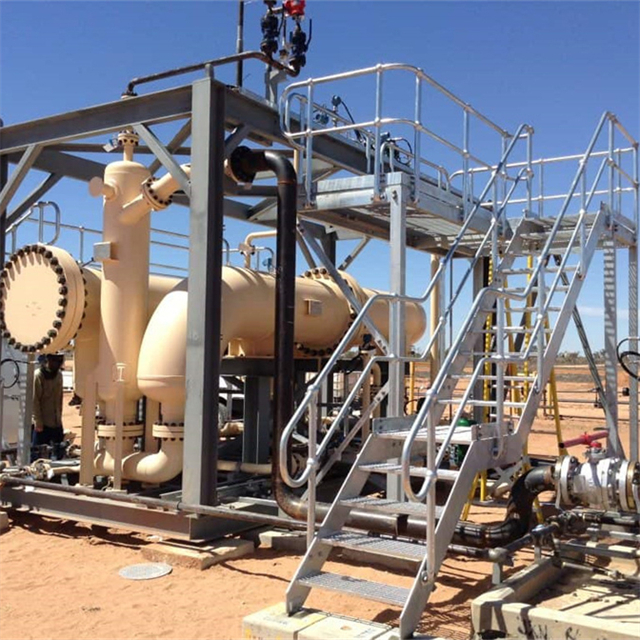
ASME tanks undergo rigorous design, inspection, and testing procedures, ensuring that they are safe to use in high-pressure environments. This comprehensive approach reduces the risk of accidents, explosions, or leaks, offering peace of mind to operators.
In many industries, ASME certification is not just a best practice but a legal requirement. Using ASME-certified tanks ensures compliance with national and international standards, making it easier to meet regulatory requirements and obtain necessary approvals.
ASME tanks are built to last. They are constructed using high-quality materials and subjected to stringent testing, ensuring they can withstand the pressures and demands of industrial applications for years.
ASME tanks can be customized for a wide range of applications, from simple storage to complex chemical reactions. Their adaptability makes them suitable for industries ranging from food production to energy generation.
Investing in ASME tanks ensures long-term reliability and safety, especially in high-risk industries like pharmaceuticals and oil and gas.
The ASME certification process begins with design approval, where engineers create detailed calculations and drawings based on the specific requirements of the tank. The materials used must also meet ASME standards, with each batch traceable to ensure compliance.
ASME-certified tanks are fabricated by certified welders following established procedures. During fabrication, inspections are carried out to ensure that every weld, joint, and component meets the necessary standards.
Once the tank is fabricated, it undergoes thorough testing, including hydrostatic or pneumatic tests. If the tank passes all tests, it receives the U-stamp, signifying it has met ASME standards. All documentation, including testing and inspection records, is provided to the customer for verification.
The primary difference between ASME and non-ASME tanks lies in their design, safety standards, and testing procedures. ASME tanks are built to withstand high pressures and undergo rigorous testing, while non-ASME tanks may not meet the same safety standards.
ASME tanks typically have a higher upfront cost due to the extensive testing and certification process. However, their durability, safety, and compliance with regulations often make them a more economical choice in the long run, particularly in high-pressure and high-risk applications.
ASME tanks play a vital role in industries requiring safe and reliable pressure vessels. Their rigorous certification process ensures safety and compliance with industry standards. ASME-certified tanks provide peace of mind, particularly when handling hazardous chemicals, high-pressure systems, or sterile environments. Investing in these tanks ensures long-term safety and performance. When selecting a tank, it’s essential to consult with experts who understand the specific needs of your application. For tailored solutions, Mingt offers high-quality ASME-certified tanks designed to meet industry demands and provide exceptional value.
A: An ASME tank is a pressure vessel designed to meet the rigorous standards of the American Society of Mechanical Engineers (ASME). These tanks are built to safely store liquids or gases under high pressure.
A: ASME certification ensures that a tank meets strict safety, reliability, and performance standards. It guarantees the tank is built to handle high-pressure environments safely.
A: An ASME-certified tank will have a “U” stamp, indicating it meets all the requirements of the ASME Boiler and Pressure Vessel Code (BPVC).
A: ASME tanks are used in industries like chemical processing, oil and gas, pharmaceuticals, food and beverage, and water treatment, where pressure control and safety are critical.
A: While ASME tanks typically have a higher upfront cost due to their rigorous testing and certification, their durability, safety, and compliance make them a more cost-effective choice in the long run.


