


The American Society of Mechanical Engineers (ASME) has played a key role in shaping engineering practices since its inception in 1880. One of its most influential contributions is the ASME Code, which sets standards for mechanical systems to ensure safety, quality, and efficiency. The ASME Boiler and Pressure Vessel Code (BPVC), in particular, governs the design, fabrication, and inspection of pressure vessels and steam boilers.
In this article, we will explore what ASME Code entails and its significance in ensuring that equipment meets rigorous safety and operational standards. You will learn how compliance with the ASME Code not only promotes safety but also boosts operational reliability across industries worldwide.
ASME Code ensures safety, quality, and reliability in mechanical systems, particularly for high-pressure equipment like boilers and pressure vessels.
Established in response to industrial failures, the ASME Code provides guidelines for design, fabrication, inspection, and testing.
Regular updates ensure the code stays relevant in modern industrial applications, particularly as technology and materials evolve.
Compliance with ASME Code is critical for industries like power plants, aerospace, and manufacturing, ensuring safety and reducing risks.
Mingt Company adheres to ASME Code for the design and production of pressure vessels and boilers, ensuring the highest safety and quality standards for its products.
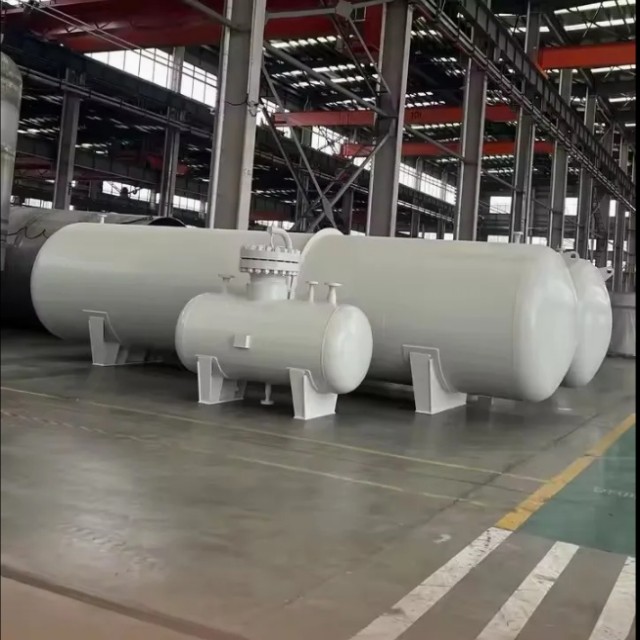
The primary purpose of ASME Code is to safeguard public and worker safety by ensuring the proper design and manufacturing of pressure-bearing equipment. It aims to prevent accidents like boiler explosions or pressure vessel ruptures, which can have catastrophic consequences. ASME Code sets out specific requirements for materials, construction methods, inspection processes, and testing procedures to ensure the safety and longevity of mechanical systems.
ASME Code helps ensure that mechanical systems are designed with the necessary safety margins, using materials that can withstand extreme conditions and undergo regular maintenance and inspection.
Pressure vessels are widely used to store gases and liquids under high pressure. The ASME Boiler and Pressure Vessel Code (BPVC) is specifically designed to guide the design and fabrication of such vessels. The BPVC specifies the materials that can be used, the welding and testing standards, and the conditions under which pressure vessels must be operated.
ASME Code covers not just the design but also the critical inspection and testing phases. It mandates the use of non-destructive testing (NDT) methods such as radiography and ultrasonic testing to ensure that the pressure vessels meet the highest safety and performance standards.
Adhering to the ASME Code ensures that mechanical systems, especially pressure vessels, meet the highest standards for safety and performance. Compliance is crucial for industries like power generation, oil and gas, and manufacturing, where even a small failure can lead to catastrophic outcomes. Non-compliance can lead to legal penalties, operational delays, and increased maintenance costs. Furthermore, ASME-compliant equipment is often more efficient, leading to lower operational costs and improved longevity. Manufacturers who comply with ASME Code can often attract more clients due to the safety and quality assurance that comes with certification.
ASME was founded in 1880 to address the growing concerns surrounding the safety of mechanical equipment, particularly steam boilers. In the early 1900s, the tragic explosion at the Grover Shoe Factory in Brockton, Massachusetts, highlighted the need for standardized safety practices in industrial equipment. This incident prompted ASME to develop the first Boiler and Pressure Vessel Code, marking the beginning of a long tradition of engineering safety standards.
The initial push for the ASME Code came after several high-profile accidents, such as the aforementioned Grover Shoe Factory explosion. These incidents revealed the catastrophic consequences of poorly designed and maintained pressure vessels. The ASME Code's establishment and subsequent updates have played a significant role in reducing the frequency of such accidents.
The ASME Code’s focus on safety and efficiency was essential in addressing these issues, and it has since become a benchmark for mechanical engineering safety worldwide.
The ASME Code has been continually updated to adapt to new technologies, materials, and construction methods. Originally, updates were published every three years, but since 2011, a new edition of the BPVC is released every two years. These updates ensure that the Code remains relevant in the face of evolving industrial practices and technological advancements.
ASME Code’s periodic updates are necessary to maintain high safety standards, as newer methods of fabrication and advanced materials are introduced to the industry.
Tip: Industries must stay current with ASME Code updates to ensure compliance and avoid risks associated with outdated equipment.
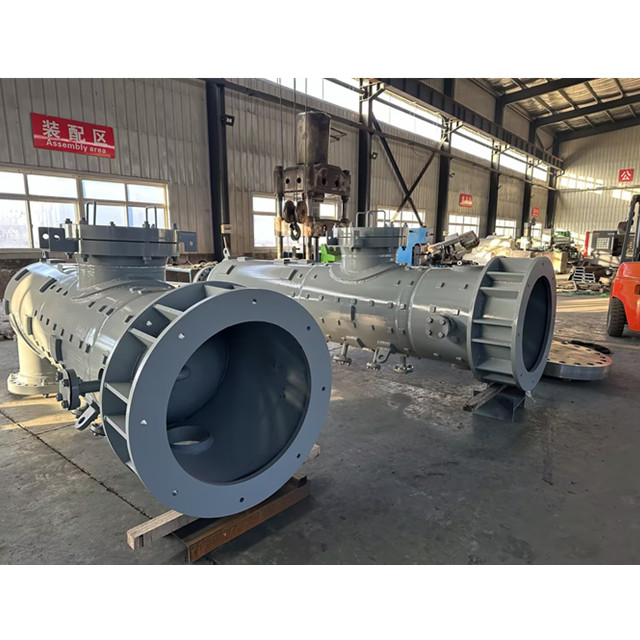
The BPVC is divided into several sections that deal with different types of equipment, such as boilers, pressure vessels, and nuclear plant components. Each section outlines specific requirements for design, fabrication, inspection, and testing.
| Section | Equipment Covered | Key Focus |
|---|---|---|
| Section I | Power Boilers | Design, construction, and inspection |
| Section VIII | Pressure Vessels | Pressure vessel design and safety |
| Section XI | In-service Inspection and Maintenance | Ongoing inspection of nuclear components |
This division allows the ASME Code to be applicable across a broad range of industries and applications, providing comprehensive guidelines to ensure safety and reliability.
ASME Code sets out the material requirements for constructing boilers and pressure vessels. The materials must have the necessary strength and durability to withstand high pressures, temperatures, and corrosive environments. Materials used in the construction of pressure vessels are carefully selected based on their mechanical properties, corrosion resistance, and other performance criteria.
The design standards within ASME Code help engineers create pressure vessels that meet operational requirements while maintaining safety. These standards include factors such as maximum allowable stress, safety margins, and load calculations.
Non-destructive testing (NDT) is a crucial part of ensuring the integrity of pressure vessels and other mechanical systems. NDT methods, such as radiography, ultrasonic testing, and magnetic particle testing, are used to detect internal and external defects in the materials used in pressure vessels. These tests help identify potential weaknesses before they become critical safety issues.
NDT ensures that the equipment meets ASME Code standards for safety and reliability, and it is a critical part of the inspection and certification process.
Once a pressure vessel is designed and fabricated according to ASME Code, it must undergo thorough inspection and testing to ensure compliance. This includes both visual inspections and more advanced tests like hydrostatic or pneumatic tests. The vessel is then certified by an authorized inspector, and if it meets all standards, it is marked with an ASME stamp.
The certification process ensures that the pressure vessel can safely withstand the intended operational pressures and conditions, reducing the risk of failures. Regular inspections and adherence to ASME testing methods are key to maintaining safety standards for pressure vessels.
The ASME Code is designed with safety as its top priority. By adhering to the Code, manufacturers ensure that their pressure vessels and boilers are capable of withstanding extreme pressures without failing. Compliance with these regulations helps prevent accidents such as explosions or leaks, which can result in property damage, injury, or even loss of life.
ASME Code applies to several industries, including:
| Power Plants | Ensures the safe operation of boilers and pressure vessels used in power generation. |
| Aerospace | Regulates pressure systems used in aircraft and spacecraft. |
| Oil and Gas | Applies to pressure vessels and piping systems in exploration, extraction, and refining processes. |
| Manufacturing | Ensures safety and operational efficiency for equipment used in production processes. |
The ASME Code has a significant global impact, with countries around the world adopting ASME standards for mechanical systems and pressure vessels. This international adoption ensures consistency and safety across borders, allowing manufacturers and operators to meet high-quality standards regardless of location. Adopting ASME Code in manufacturing facilities can improve international marketability and enhance global trade opportunities.
To ensure compliance with ASME Code, the design and fabrication of mechanical systems must strictly follow the guidelines set out in the Code. This includes selecting the correct materials, following appropriate welding procedures, and conducting thorough testing at various stages of production.
Once a system is designed and fabricated, regular inspections and maintenance are crucial to ensure ongoing compliance with ASME Code. This includes checking for wear, corrosion, and structural damage. Non-compliance can lead to dangerous failures and costly repairs, so regular checks are essential to maintaining safety and operational efficiency.
Authorized Inspection Agencies (AIAs) play an essential role in maintaining ASME compliance. These third-party organizations perform inspections and certify that the equipment meets ASME standards. AIAs ensure that manufacturers adhere to the Code's guidelines and help prevent potential safety hazards by performing rigorous examinations and certifications.
Annotation: Partnering with an AIA ensures that pressure vessels and other equipment meet ASME standards and are safe for use.
While ASME Code focuses on the design and construction of pressure-bearing equipment, ASTM (American Society for Testing and Materials) standards focus more on the materials and components used in manufacturing. ASME Code addresses the broader aspects of equipment safety, while ASTM ensures that the materials used in these systems are of the highest quality and performance.
In addition to ASME, other organizations such as ANSI (American National Standards Institute) and ISO (International Organization for Standardization) set standards for industrial practices. However, ASME remains the leading authority on pressure vessel and boiler standards, particularly in industries that rely on high-pressure systems. Familiarizing yourself with both ASME and ASTM standards is essential for ensuring comprehensive compliance and safety in mechanical system design.
The ASME Code is vital for ensuring the safety, reliability, and efficiency of mechanical systems like pressure vessels and boilers. Compliance with the Code helps prevent failures, improves operational efficiency, and guarantees adherence to international safety standards. As industries advance, the Code's ongoing updates maintain its relevance, safeguarding workers and businesses from mechanical system risks.
Mingt Company specializes in providing ASME-compliant pressure vessels and boilers that meet the highest safety standards. Mingt’s commitment to ASME Code ensures that its products adhere to stringent safety and performance criteria, offering peace of mind to industries reliant on high-pressure systems.
A: The ASME Code is a set of safety standards developed by the American Society of Mechanical Engineers. It regulates the design, fabrication, and inspection of mechanical systems like pressure vessels and boilers.
A: ASME Code ensures the safety, reliability, and efficiency of mechanical systems. Compliance reduces the risk of failures and guarantees adherence to international safety standards.
A: Following ASME Code enhances operational efficiency, prevents accidents, and ensures compliance with global safety regulations, benefiting industries relying on high-pressure systems.


