
Views: 0 Author: Site Editor Publish Time: 2025-11-14 Origin: Site


Gelatin is a key ingredient found in many of the products we use daily, but have you ever wondered how it's made? This versatile substance is derived from collagen, which comes from animal tissues such as skin, bones, and connective tissues.
In this article, we’ll dive into the manufacturing method of gelatin. You will learn about its raw materials, the intricate process involved in its production, and how it's purified and packaged for various industries. Let’s explore how gelatin is created and what makes it such an essential component across multiple sectors.
Gelatin Production: Gelatin is made from collagen extracted from animal parts such as skins, bones, and connective tissue.
Animal Sources: The primary sources are pigs, cattle, and fish, with pork skin being the most common.
Manufacturing Process: The process includes pre-treatment, extraction, purification, and drying to create high-quality gelatin.
Advanced Techniques: Newer methods like enzymatic hydrolysis offer faster production times and improved quality.
Quality Control: Strict regulatory standards ensure that gelatin is safe for consumption and use across industries.
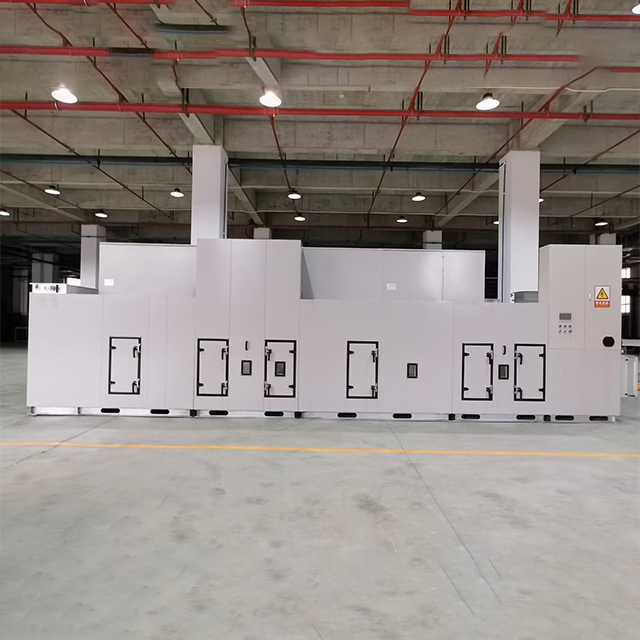
Gelatin is primarily derived from animal-based collagen. The key sources include:
| Source | Contribution to Production | Properties |
|---|---|---|
| Pig Skin | 80% of European production | Most common source, offering high gel strength |
| Cattle Bones and Hide | 15% of European production | Split layer from cattle hide, strong collagen content |
| Fish and Poultry | 5% of European production | Less common but suitable for specific applications |
These raw materials are carefully selected from healthy animals to ensure safety and meet quality standards. Gelatin produced for food use undergoes stringent inspections to ensure it adheres to regulatory guidelines.
Quality control begins with the careful selection of raw materials. Animals used in gelatin production must be from licensed slaughterhouses and undergo veterinary inspection. Only materials approved for human consumption are processed. Additionally, throughout the manufacturing process, the gelatin is subjected to various tests to ensure its purity, quality, and safety.
When sourcing gelatin, it's critical to verify the origin of animal materials and ensure that they comply with food safety regulations.
Gelatin extraction starts with pre-treatment to remove fats and minerals from animal tissues. There are two main methods of pre-treatment:
| Method | Description | Used For |
|---|---|---|
| Alkaline Treatment | Soaking raw materials in alkaline solutions for several weeks to break down collagen. | Bovine connective tissue, tough hides |
| Acid Treatment | A short (24-hour) acid treatment to break down collagen. | Non-bovine connective tissues, e.g., pig skin |
Once the collagen has been pre-treated, it is extracted using hot water. This process is typically carried out in stages, with water temperatures varying to ensure maximum collagen extraction. The key to high-quality gelatin is controlling the water temperature:
| Water Temperature | Effect on Gelatin |
|---|---|
| Lower Temperatures | High gel strength (Bloom value) |
| Higher Temperatures | Weaker gelatin, more efficient extraction |
The gelatin solution obtained from this process contains collagen proteins that are later purified and concentrated. For high-quality gelatin, ensure that the extraction temperature is carefully controlled to achieve the desired Bloom value.
After extraction, the gelatin undergoes purification to remove any remaining impurities:
| Purification Step | Description |
|---|---|
| Purification | High-performance separators and filters remove fat, fine fibers, and residual salts. |
| Concentration | Vacuum evaporation is used to concentrate the gelatin solution into a honey-like consistency. |
The concentrated gelatin is then dried under strict hygienic conditions. It is cooled and set to form gelatin sheets or noodles. These are then ground into granules or powder, depending on the final product requirements.
| Process | Description |
|---|---|
| Drying | The gelatin solution is sterilized, cooled, and dried to form solid gelatin noodles. |
| Final Milling | The dried gelatin is ground into powder or granules, ready for packaging and distribution. |
Pay attention to drying conditions, as improper drying can affect gelatin's texture and solubility.
A newer method involves using enzymatic hydrolysis to break down collagen more efficiently. This process uses enzymes such as trypsin or pepsin to cleave specific collagen bonds, producing gelatin with a more uniform molecular weight and improved gel strength.
| Method | Advantages |
|---|---|
| Enzymatic Hydrolysis | Faster process, higher yield, improved gel strength |
Enzymatic hydrolysis offers several advantages:
Faster Processing: Compared to traditional acid and alkaline methods, enzymatic hydrolysis is faster and requires less time.
Improved Gel Strength: The resulting gelatin has better properties, making it ideal for specialized applications.
Another advanced method involves high-pressure hydrolysis, which uses a pressure cooker to rapidly break down collagen into gelatin. The process is faster and does not require soaking in acid or alkali, but it is typically used only in smaller, home-scale production due to the risk of over-hydrolysis, which can lead to lower-quality gelatin.
| Method | Advantages | Disadvantages |
|---|---|---|
| High-pressure Hydrolysis | Quick process, no acid or alkali required | Risk of over-hydrolysis, lower quality gelatin |
Tip: For industrial-scale gelatin production, enzymatic hydrolysis is recommended over high-pressure methods to maintain product quality.
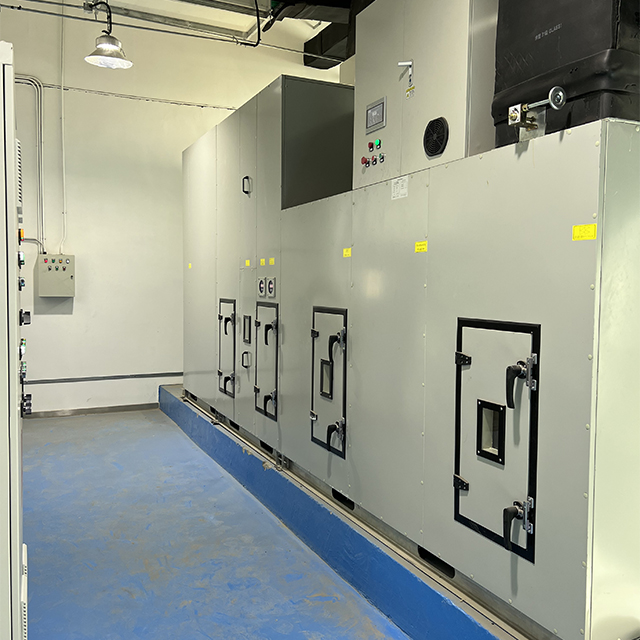
Throughout the production process, quality control is paramount to ensuring gelatin's safety and consistency. This involves:
| Test Type | Purpose |
|---|---|
| Physical Testing | Checking texture and consistency. |
| Chemical Testing | Monitoring for contaminants and impurities. |
| Bacteriological Testing | Ensuring the gelatin is free of harmful microorganisms. |
Gelatin production is subject to international safety regulations such as ISO and GMP standards. These regulations govern every stage of production, from sourcing raw materials to packaging the final product. Ensuring compliance with these standards is crucial for maintaining product quality and consumer safety.
Always verify that your gelatin supplier complies with relevant safety standards to ensure the highest quality product.
Once gelatin is produced, it is carefully packaged to maintain its quality. Gelatin products are typically packaged in airtight containers such as bags or jars to protect them from moisture, which can degrade the product. Proper packaging is essential to prevent contamination during storage and transport.
| Packaging Method | Purpose |
|---|---|
| Airtight Containers | Protects from moisture and contaminants. |
| Bags/Jars | Ensures the gelatin remains in good condition. |
To ensure gelatin remains in optimal condition, it should be stored in cool, dry environments. Transport conditions must also be controlled to avoid exposure to high humidity or extreme temperatures, which can compromise the product’s quality.
When storing gelatin, maintain the right temperature and humidity levels to preserve its gelling ability and shelf life.
The manufacturing process of gelatin is a detailed and multi-step procedure that turns animal collagen into a versatile ingredient. From selecting raw materials to the final product, each stage ensures the gelatin’s quality and functionality. Gelatin’s applications span across food, pharmaceuticals, cosmetics, and industrial sectors, making it an essential protein substance.
Understanding the gelatin manufacturing process helps businesses produce high-quality gelatin that meets industry standards. It's important for businesses sourcing gelatin to prioritize traceability and food safety regulations to maintain product integrity.
Mingt offers high-quality gelatin products that adhere to rigorous international standards, ensuring reliable and safe gelatin for manufacturers across multiple industries. Their products are tested to meet customer needs and regulatory requirements.
A: Gelatin is derived from collagen, which is extracted from animal tissues such as skin, bones, and connective tissues. The raw materials used can come from pigs, cattle, poultry, and fish.
A: Gelatin is produced through a multi-stage process. Raw materials are pre-treated, then collagen is extracted using hot water. After purification and concentration, the gelatin is dried and milled into powder or granules.
A: Gelatin is widely used in food products like gummy candies and desserts. It also plays a crucial role in pharmaceuticals, cosmetics, and industrial applications such as photography and paper production.
A: Quality control ensures that gelatin meets safety and regulatory standards. It involves testing at various stages of production to guarantee its purity, consistency, and suitability for different applications.
A: While both gelatin and collagen are derived from animal connective tissues, gelatin is a hydrolyzed form of collagen that is easier to digest and is used in various applications like food and medicine.


