
Views: 0 Author: Site Editor Publish Time: 2025-11-11 Origin: Site


Have you ever wondered how to safely determine when an ASME tank is full? Overfilling or underfilling these pressure vessels can lead to severe risks.
ASME tanks play a critical role in industries like chemicals, oil, and gas, where accurate filling is essential for operational safety. In this article, we’ll explore the methods, best practices, and risks associated with filling ASME tanks correctly. You will learn how to monitor fill levels using pressure gauges, level indicators, and telemetry systems.
Importance of Proper Filling: Properly filling an ASME tank prevents over-pressurization, leaks, and safety hazards.
Methods for Monitoring Fill Levels: Pressure gauges, liquid level indicators, and telemetry systems provide ways to monitor and maintain safe fill levels.
Standard Guidelines: ASME tanks should generally be filled to 80%-90% capacity to account for temperature fluctuations.
Risks of Overfilling: Overfilling an ASME tank can lead to severe consequences, including structural damage and potential explosions.
Best Practices: Regular maintenance, inspections, and professional filling services ensure ASME tanks are filled safely and efficiently.
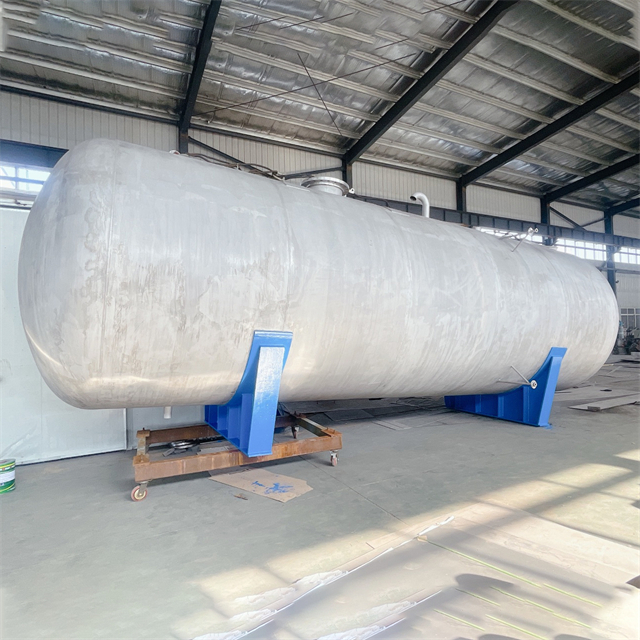
An ASME tank is a pressure vessel that meets the standards set by the American Society of Mechanical Engineers. These tanks are designed to safely store liquids and gases under high pressure. ASME tanks are commonly used in industries like chemical manufacturing, oil and gas production, and natural gas storage.
These tanks are built to withstand the high pressures of substances like propane, butane, or industrial gases. The integrity of these tanks depends on careful filling and monitoring to avoid over-pressurization, which could lead to catastrophic failure.
Several features indicate when an ASME tank is full:
Pressure Gauges: These gauges measure the internal pressure of the tank. As the tank fills, the pressure increases, and the gauge will show how much liquid or gas is inside.
Liquid Level Indicators: Sight glasses and other liquid level indicators provide visual confirmation of the tank's fill level.
Safe Fill Capacity: To prevent overfilling, tanks should only be filled to 80%-90% of their total capacity, leaving room for temperature and pressure fluctuations.
Proper filling is essential for safety. Overfilling can lead to:
Over-Pressurization: Causing the tank to rupture or leak.
Structural Damage: Continuous overfilling can weaken the tank and lead to its failure.
Hazardous Leaks: Overfilled tanks can leak hazardous materials, endangering workers and the environment.
Pressure gauges are commonly used to measure the pressure inside an ASME tank, which correlates with the amount of stored material. As the tank fills, the internal pressure increases, and the gauge will show this change.
Key Point: As the pressure nears the maximum allowable level for the tank, it signals that the tank is near full.
Example: For a propane tank, the pressure gauge might show that the tank is 80% full when it reaches the optimal pressure for safe storage.
For many ASME tanks, visual indicators like sight glasses or liquid level gauges are installed to offer a direct view of the fill level. These indicators provide a clear, immediate sense of how full the tank is.
| Type of Indicator | Description | Advantages |
|---|---|---|
| Sight Glass | A transparent window to visually inspect liquid levels. | Easy to monitor; direct visual feedback. |
| Liquid Level Gauge | A dial or digital display showing the liquid level. | Precise and reliable measurement; easy to read. |
Telemetry systems offer real-time data on an ASME tank’s fill level. These systems are especially useful for large operations where multiple tanks are used. Telemetry systems allow for:
Remote Monitoring: Operators can check the tank's fill level from a distance.
Automated Alerts: If the tank approaches the maximum fill level, the system can alert operators to stop filling.
| Telemetry System | Function | Benefits |
|---|---|---|
| Remote Monitoring | Provides real-time data on tank levels. | Reduced need for manual checks; increases operational efficiency. |
| Automated Alerts | Sends notifications when the tank reaches a preset limit. | Prevents overfilling and improves safety. |
ASME tanks should not be filled to their total capacity. The general guideline is to fill tanks to 80%-90% of their total capacity to leave room for expansion, especially if the stored material is affected by temperature changes.
| Tank Type | Maximum Fill Level | Safe Fill Capacity |
|---|---|---|
| Liquid Gas Tank | 100% | 80%-90% |
| Pressurized Tank | 100% | 80%-90% |
For example, for a 100-gallon ASME tank, it should be filled with only 80-90 gallons to account for the expansion of liquid or gas inside the tank.
The bleed valve method is used to ensure that an ASME tank is filled to the correct level without overfilling. By opening the bleed valve, excess material can escape, preventing over-pressurization.
Step-by-step process:
Open the filling valve.
Monitor the pressure gauge as the tank fills.
When the tank reaches the optimal level, close the bleed valve to stop any additional material from entering.
| Step | Action | Purpose |
|---|---|---|
| Step 1 | Open filling valve. | Begin the filling process. |
| Step 2 | Monitor pressure gauge. | Ensure the tank is filling correctly. |
| Step 3 | Close bleed valve once full. | Prevent overfilling and ensure safety. |
Operators can calculate the safe fill level using the tank’s specifications and capacity. This includes considering the tare weight (empty weight) of the tank and the liquid or gas it is designed to hold. Formulae can be applied to calculate the maximum weight of the tank when full.
Formula Example:
Full tank weight = Tare weight + Maximum capacity.
For a tank with a tare weight of 20 lbs and a maximum capacity of 100 lbs, the full tank weight would be 120 lbs.
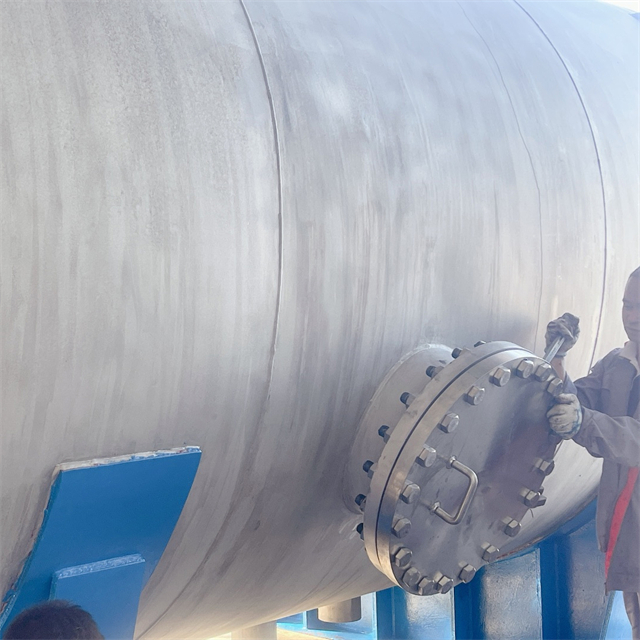
Overfilling an ASME tank presents serious risks:
Tank Rupture: The pressure could exceed the tank's tolerance, causing a rupture.
Leaks: Excessive filling can cause leaks of hazardous substances.
Explosion: In extreme cases, overfilling can lead to explosions, especially in tanks storing flammable gases.
| Risk | Consequence | Prevention |
|---|---|---|
| Tank Rupture | Rupture due to excess pressure. | Follow 80%-90% fill rule. |
| Leaks | Loss of material and hazardous gases. | Regular inspection of valves. |
| Explosion | Dangerous, life-threatening hazard. | Use certified professionals for filling. |
Key indicators that an ASME tank may be overfilled include:
Unusual Pressure Readings: A sudden spike in pressure may indicate the tank is too full.
Valve Leaks: If gas or liquid leaks from the valve, it’s a sign the tank has exceeded its safe fill level.
Vibrations or Unusual Noises: Tanks under excessive pressure may cause vibrations or produce unusual sounds.
Regular maintenance and inspections are essential for ensuring that ASME tanks function safely. Pressure gauges, liquid level indicators, and valves should be inspected frequently to prevent malfunctioning that could lead to overfilling or unsafe tank operations.
| Inspection Type | Frequency | Key Areas |
|---|---|---|
| Pressure Gauges | Monthly | Ensure accurate readings. |
| Liquid Indicators | Monthly | Check for visible damage or leaks. |
| Valves | Quarterly | Test for leaks or malfunctions. |
For large industrial operations, it’s recommended to use professional filling services. Professionals are trained to safely fill tanks while adhering to industry standards.
Operators should undergo thorough training to understand:
How to monitor fill levels.
The correct use of pressure gauges and other safety systems.
Emergency procedures for overfilling or leaks.
Determining when an ASME tank is full is critical for operational safety. By using pressure gauges, visual indicators, and remote monitoring systems, operators can accurately track fill levels and prevent overfilling. Regular maintenance and inspections ensure tanks are filled to safe levels, preventing damage and maintaining optimal performance. Mingt provides top-quality ASME tanks with advanced monitoring solutions to enhance safety. Their products, known for precision and durability, help industries avoid the risks of overfilling and ensure efficient operation. If you’re looking to upgrade your tank filling systems, consider Mingt’s products for reliable performance and expert solutions.
A: An ASME tank is a pressure vessel designed and built to meet the standards set by the American Society of Mechanical Engineers. These tanks are used for storing liquids and gases under high pressure, ensuring safe operation in various industries.
A: You can determine when an ASME tank is full by using pressure gauges, visual indicators, or telemetry systems. These tools help monitor the tank’s fill level and prevent overfilling.
A: Overfilling an ASME tank can lead to over-pressurization, causing damage to the tank or even dangerous leaks or explosions. Proper filling ensures safety and operational efficiency.
A: Regularly inspect the fill level of your ASME tank, ideally with each refill. Using pressure gauges and level indicators ensures accurate readings and prevents potential hazards.
A: Yes, remote monitoring systems allow you to track the fill level of your ASME tank in real-time, providing peace of mind and preventing overfilling without manual checks.


